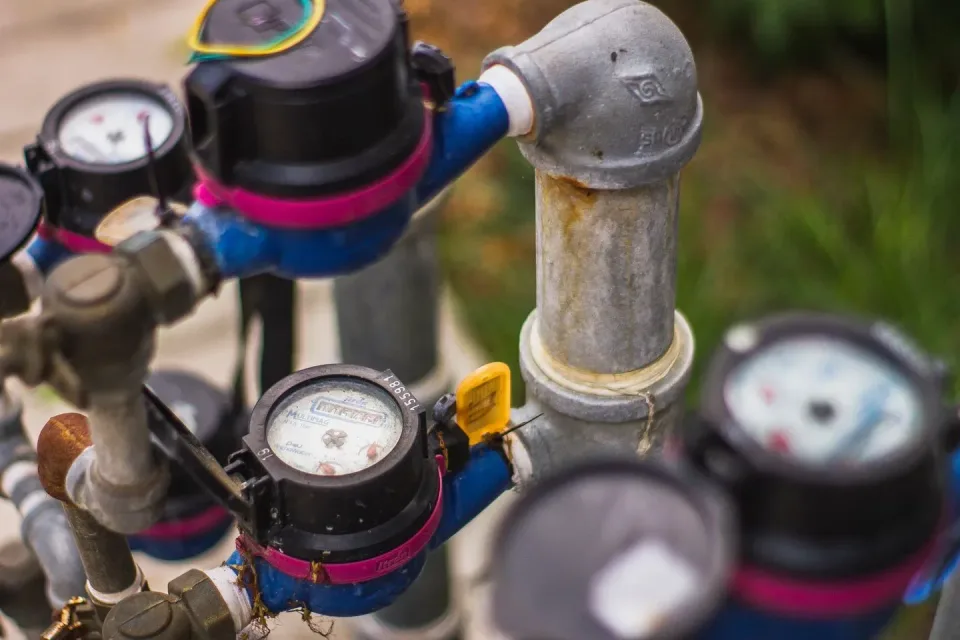
What Should You Check Before Turning a Minneapolis Pressure Regulator?
If pressure suddenly falls or several faucets run weakly, check the readings and symptoms before turning the regulator screw. A change can hide a supply or pipe problem instead of fixing it.
Minneapolis homeowners should compare household use and recent conditions, too. Hot summer demand can make an existing supply limitation more noticeable, while drought may lower water levels for homes on private wells. Spring freeze-thaw cycles can stress buried water lines; a leak or restriction may show up as poor pressure, so investigate the cause before adjusting.
| Check | Useful reference | What it tells you |
|---|---|---|
| Typical household target | 40–60 psi | A starting point for evaluation |
| Common residential range | 40–80 psi | Pressure context, not a reason to adjust blindly |
| Above this level | 80 psi | Pressure regulation needs investigation |
| Test point | Hose-bib gauge | A practical way to check pressure |
What does a Minneapolis pressure reading tell you?
A weak shower or upstairs faucet does not prove the regulator is set too low. First attach a pressure gauge to an outdoor hose bib, close other fixtures, and record the static reading; then note whether the symptom changes when water is running. A household reading in the 40–60 psi target range may still feel weak if flow is restricted downstream.
We see homeowners skip the second check: comparing pressure at more than one fixture. If only one faucet is affected, a whole-house adjustment is unlikely to be the right fix.
If several fixtures struggle, record the pattern before touching the valve. Around the Minneapolis Chain of Lakes, this kind of whole-home check helps distinguish a regulator concern from a fixture or piping issue without guessing from one showerhead.
Could the regulator be hiding another problem?
A pressure change across the house can point to a problem beyond the regulator, including a restriction in the service line or an upstream supply issue. Note whether pressure drops when multiple taps run, whether only hot water is affected, and whether the change began suddenly. Those details help narrow the diagnosis.
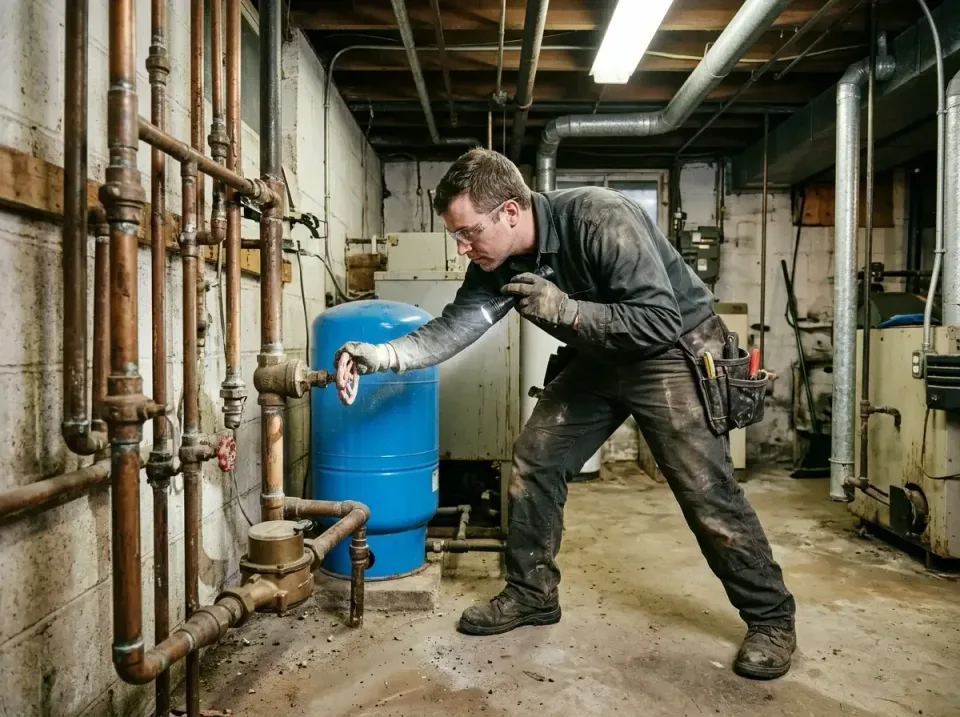
The Minneapolis Institute of Art is a local landmark, but for your plumbing the useful landmarks are the main shutoff, regulator, and gauge point. Confirm the valve is accessible and look for visible corrosion or a leak; do not force a stuck adjustment screw.
We test before recommending a repair, checking the system rather than treating one symptom as proof. If water pressure fell overnight, compare your observations with our guide to sudden pressure loss.
When is a regulator adjustment a DIY job?
A homeowner can take a pressure reading and note which fixtures are affected. That is a sensible first step.
Adjusting the regulator is different: turning it without a baseline can push pressure too high or leave the real restriction untouched. Pressure above 80 psi should be investigated rather than ignored, and a reading below the usual target does not automatically mean the regulator is at fault.
Stop and call a plumber if the valve is leaking, seized, badly corroded, or difficult to identify, or if pressure changes sharply as you adjust it. Minnesota Plumbing Pros serves Minneapolis with a test-first process: we record the readings, explain the likely cause, and review the repair plan before work begins. Our crew has worked on older Minneapolis homes where aging connections and changing supply conditions make a single gauge reading only part of the story.
What should you ask before authorizing work?
Ask what was measured, where the test was taken, and whether the reading was static or observed while water flowed. A gauge reading with fixtures closed cannot by itself show how the system performs under demand. Request an explanation of what the measurements suggest and what alternatives were ruled out.
Also ask whether the proposed work involves only regulator adjustment or replacement, and how access to the valve affects the job. A careful plumber should describe the findings in plain language, protect the area, and identify any needed water shutoff before starting. If pressure is weak only upstairs, our article on upstairs faucets losing pressure can help you organize the symptoms before a visit.
Which Minneapolis Pressure Check Fits Your Symptoms?
If water pressure seems low throughout the house, the right next step depends on whether the problem is supply, equipment, or a local restriction. Canal Park is far from Minneapolis, but it is a useful reminder that local conditions differ; check the actual source serving your property rather than assuming every system behaves alike. Heavy rainfall can affect shallow wells and drainage, so a well owner should report recent water or drainage changes during diagnosis.
| Option | Best for | Key detail |
|---|---|---|
| Municipal supply check | Several fixtures weak at once | Confirm supply before changing the regulator |
| Well system diagnosis | Pressure changes on a well | A pressure switch controls pump cycling |
| Pressure-reducing valve inspection | Suspected regulator issue | Common setting is 40–60 PSI |
| Booster pump evaluation | Low pressure across the home | A booster raises system pressure; it does not clear a blockage |
A power outage can stop an electric well pump, so check whether the pump has power before assuming its regulator needs adjustment. At the Mall of America, water service is not a guide to your home’s supply; ask whether your property is municipal or well-fed.
For regulator work, the Minnesota State Capitol is another local reference point, not a substitute for checking the actual valve and pressure readings. Ask the plumber what was tested and why that test supports the proposed option.
Prepare the Pressure Regulator for a Safe Check
-
Note the symptom: Write down which fixtures are weak and whether pressure changes when more than one tap runs.
-
Locate the main shutoff: Find it before the visit, but do not close it unless needed to prevent a leak or as directed.
-
Clear the work area: Make the regulator and basement mechanical space accessible, and protect nearby floors and stored items.
-
Identify system equipment: Point out the well pump and pressure tank if present; keep their access clear for inspection.
-
Arrange access: Coordinate with occupants before any planned water shutoff and make affected fixtures available for testing.
-
Mention outdoor symptoms: Ice can block hose bibs, so tell the plumber if an outdoor test point may be obstructed. The Minneapolis-Saint Paul International Airport is a familiar local reference, but weather-related ice at your home’s hose bib not a distant observation determines whether that gauge point can be used.
-
Keep the test focused: Ask for a measured reading before an adjustment. Como Park Zoo and Conservatory is another Minneapolis-area landmark; at home, the practical preparation is simply keeping the plumbing access clear.
Get a Measured Answer Before Adjusting the Regulator
Do not turn the regulator just because a shower feels weak. Compare a gauge reading with the symptoms, and get the cause checked if pressure is unusually high, drops across several fixtures, or changes without explanation.
Minnesota winters can increase frozen-pipe and pressure-loss risks, so a sudden change deserves attention rather than repeated adjustment. A winter plumbing issue is not the same as a regulator fault.
Mill City Museum gives Minneapolis a recognizable point of reference; at home, the important evidence is the measured pressure and the condition of the plumbing. Glensheen Mansion, Gooseberry Falls State Park, and the Headwaters of the Mississippi River are farther-flung Minnesota landmarks, but statewide weather can affect plumbing differently from one property to another.
For a clear test and repair plan, contact Minnesota Plumbing Pros at (877) 773-0781 or review our water pressure testing service.